
Critical materials and traceability
Which inputs are strategically important, where do they come from, and what is known about environmental and social risks?
Prototype direction: Develop a materials-flow map or a transparent product passport.
CHALLENGE 04 / 05 · MATERIALS
What if the hardware behind artificial intelligence were designed to last, adapt and return value?
Explore the question
Artificial intelligence may feel weightless. Its physical existence is not. Chips, servers, cables, batteries, cooling equipment and buildings require raw materials, manufacturing, maintenance and end-of-life decisions. MATERIALS challenges teams to reconsider this material lifecycle within planetary limits.
How can we expand useful computing without making endless extraction and replacement the default?
How Much Intelligence Can the Planet Sustain?
Mars is the challenge. Earth is the mission.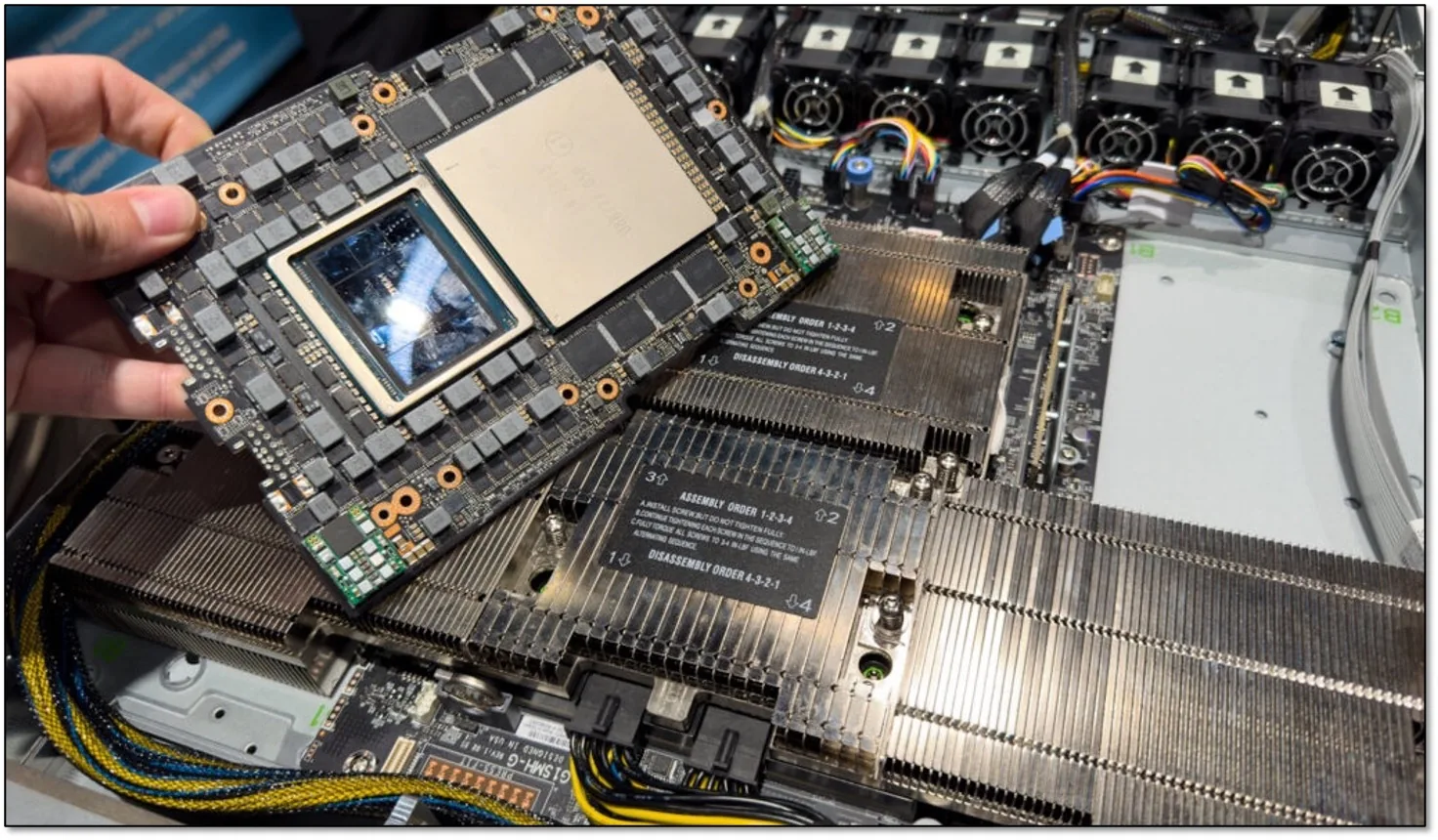
02 / MATERIALS
A digital answer begins long before a model runs. Materials are mined, refined, transported and assembled into components; equipment is operated, upgraded, repaired, retired and sometimes recovered. Each stage creates dependencies and trade-offs. Circularity is not simply recycling at the end: it starts with design decisions.
Connected system · conceptual diagram
03 / MATERIALS
MATERIALS is challenge 04 of the 2027 global edition. WATER examines cooling and competing needs; ENERGY explores power and heat; INFRASTRUCTURE considers territory and resilience; HUMANITY asks who benefits and who bears the burden. These are interconnected dimensions of one challenge, not five separate competitions.
04 / MATERIALS
Which inputs are strategically important, where do they come from, and what is known about environmental and social risks?
Prototype direction: Develop a materials-flow map or a transparent product passport.
How could equipment remain useful when workloads, software and performance demands evolve?
Prototype direction: Sketch a modular, upgradeable server or component architecture.
What prevents components from being diagnosed, repaired and returned to service?
Prototype direction: Prototype a repair decision guide or refurbishment service.
How might parts and materials retain their value after an initial deployment?
Prototype direction: Design a reuse pathway with measurable recovery criteria.
How should organisations weigh price, reliability, energy, water, repairability and disposal?
Prototype direction: Create a lifecycle comparison dashboard with explicit assumptions.
05 / MATERIALS
On Mars, a broken component cannot simply be replaced by an overnight delivery. Mass, volume, energy, waste and repair capabilities become non-negotiable constraints. Earth-Back Thinking asks teams to translate these constraints into better decisions on Earth: design for repair, minimise unnecessary replacement and use what is already available more intelligently. Mars is the stress test; Earth is where the learning returns.
UNDERSTAND — Investigate a material challenge on Earth
CONSTRAIN — Apply scarcity, mass, repair and recovery limits from Mars
DESIGN — Compare and test a credible response
RETURN — Explain the potential benefit and trade-offs on Earth
06 / MATERIALS
A team may propose a physical prototype, a digital tool, an institutional policy, a repair service or an evidence-based design concept. Coding is optional; rigorous reasoning is essential.
01 / Illustrative concept · not a validated solution
A component passport describing composition, repair routes and end-of-life options.
02 / Illustrative concept · not a validated solution
An upgradeable computing module with a disassembly demonstration.
03 / Illustrative concept · not a validated solution
A decision tool comparing refurbishment with replacement under stated assumptions.
04 / Illustrative concept · not a validated solution
A reverse-logistics concept for safe reuse of selected hardware.
05 / Illustrative concept · not a validated solution
A procurement framework that considers environmental and social lifecycle criteria.
Illustrative concept · not a validated solution
07 / MATERIALS
Strong projects show not only the final idea but also the reasoning behind it. The following are suggested evidence areas, not confirmed mandatory deliverables for 2027.
Define a specific material problem and affected stakeholders.
Map the supply chain, dependencies and unknowns.
Identify relevant constraints and design criteria.
Compare alternatives and document trade-offs.
Create a prototype, model or policy demonstrator.
Test assumptions, feasibility and potential unintended effects.
Explain how lessons transfer from Mars to Earth.
Present a clear public defence and limits of the proposal.
08 / MATERIALS
Materials science and engineering explain components and performance. Environmental sciences examine impacts. Design and architecture improve longevity and use. Economics and management evaluate incentives and business models. Law and public policy address accountability, procurement and trade. Social sciences and humanities question justice, labour and whose needs shape decisions.
09 / MATERIALS
10 / MATERIALS
Educational institutions can contribute research and mentoring. Industry can offer practical insight into product cycles and constraints without taking over student authorship. Public institutions can explore procurement, infrastructure and waste responsibilities. Communities can help define which environmental and social consequences matter. No organisation is presented as an endorsed partner unless confirmed.
11 / MATERIALS
The 2027 edition asks: How Much Intelligence Can the Planet Sustain? MATERIALS challenges us to look beyond better software and ask what we build, what we keep, what we repair and what we leave behind. The aim is to investigate credible alternatives, not promise impact before evidence exists.