
PLANET EARTH CAMPUS™ · THE EXPERIENCE
Imagine a day at university worth experiencing.
Your institution creates its own response. The university community joins the conversation.
Ask how my university can take part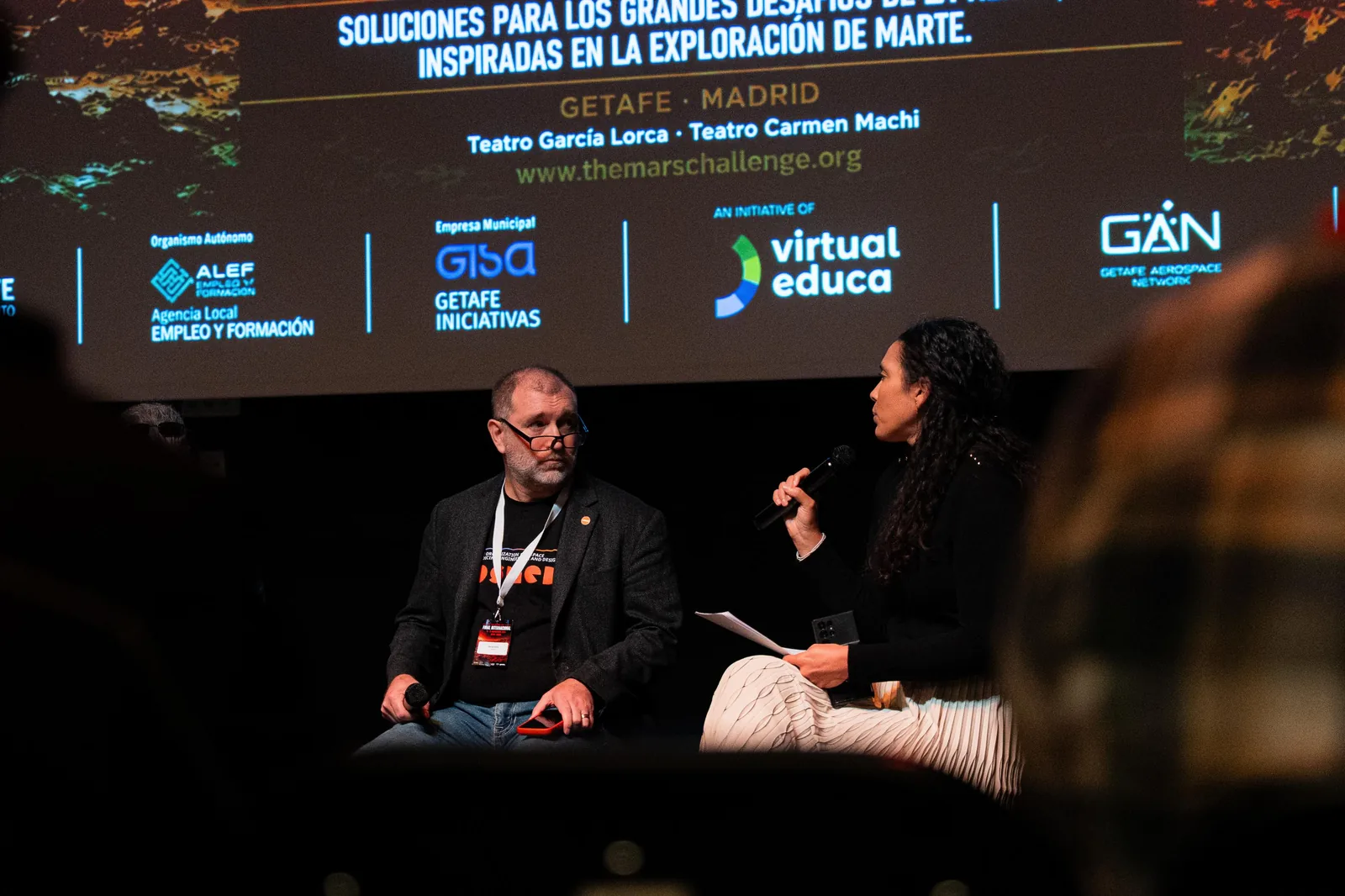
During 2027, your university can set itself a distinctive challenge: use a day of learning imagined for a post-AGI world to show how it wants its students to learn, make decisions and contribute to society.
Your university’s own proposal for how a day of learning would unfold is what it would bring to the international exchange planned as part of Mars District™, Madrid 2027. It is an opportunity to share its approach and compare perspectives with other university leaders, without anticipating the precise format of the gathering.
CREATE
The challenge begins at your university.
You are not given a ready-made answer or a model to reproduce. The question is shared: if your university had one Martian day to show why it will still be needed, what would it do with it?
The rector’s office and those who lead educational innovation can take this work forward in line with the institution’s own priorities. The aim is a proposal that describes a recognisable learning experience: not a statement of intent, but educational decisions that others can understand and discuss.
The institution defines its own approach. Its history, region, disciplines and students are part of what makes the response distinct. The proposal is not a separate exercise from the international gathering: it is the institutional work that each university brings to share with others.
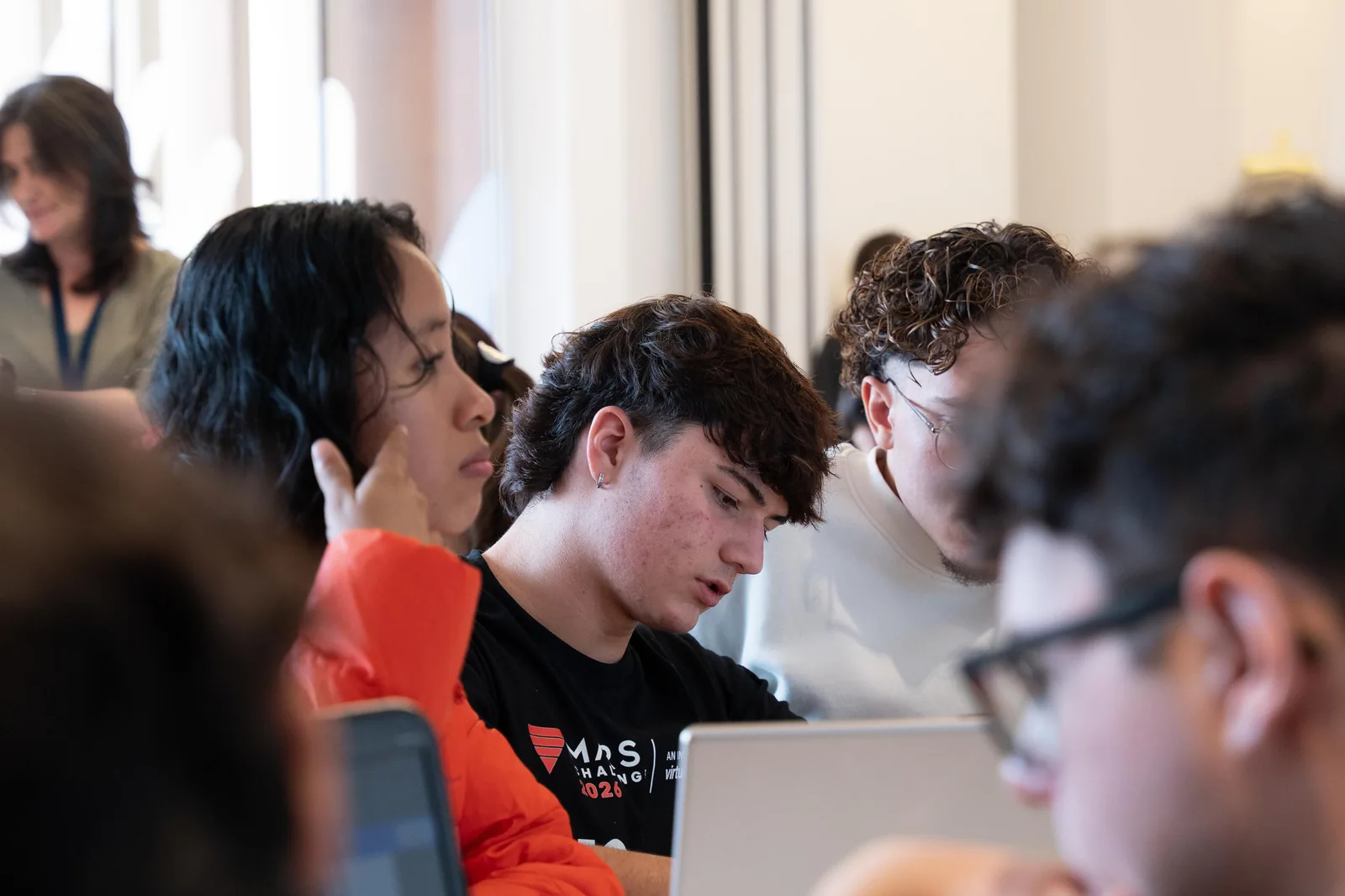
Twenty-four hours. Thirty-nine minutes. Thirty-five seconds.
24 h · 39 min · 35 s
That is approximately the length of a Martian sol. It is the frame your university uses to show what someone would experience while learning through the proposal it has designed. It is neither the deadline for creating the proposal nor the time allocated to the meeting of university leaders.
What problem will the learner face? Will they learn alongside other disciplines? What will their teachers and mentors do? What role will artificial intelligence play? How will judgement, shared work and the ability to act become visible? What evidence would show that something meaningful was learned?
As it follows that imagined day, the proposal can also show the institution’s social pact: how students, teachers, businesses, governments and communities work together, without imposing the same structure on every university.
A shared challenge. Each institution puts its own name to its proposal.
Your university can develop its approach through its own innovation process and with the people it considers appropriate. It can question divisions between subjects, explore new ways to learn through experience or rethink the relationship between knowledge and real problems.
The value of this work does not depend on looking like other universities. Planet Earth Campus™ takes the opposite view: institutional diversity makes the international conversation richer.
Each institution leads and retains authorship of its design. There are no rankings, no winners and no single curriculum to adopt.
SHARE
Your university brings its proposal into an international conversation.
An international presentation of the proposals developed by universities is planned as part of Mars District™, Madrid 2027. Each institution would bring its own design for a day of learning and share it with peers: how it imagines people learning, why it made particular decisions and what value it wants to bring to society. The agenda and the exact format have yet to be confirmed.
Presenting does not mean competing. It means bringing an idea of your own into contact with other realities and questions from a position of academic responsibility.
Mars District™ is a wider international experience, also linked to the Mars Challenge youth International Final. The university presentations are a distinct part of that setting, not the whole event.
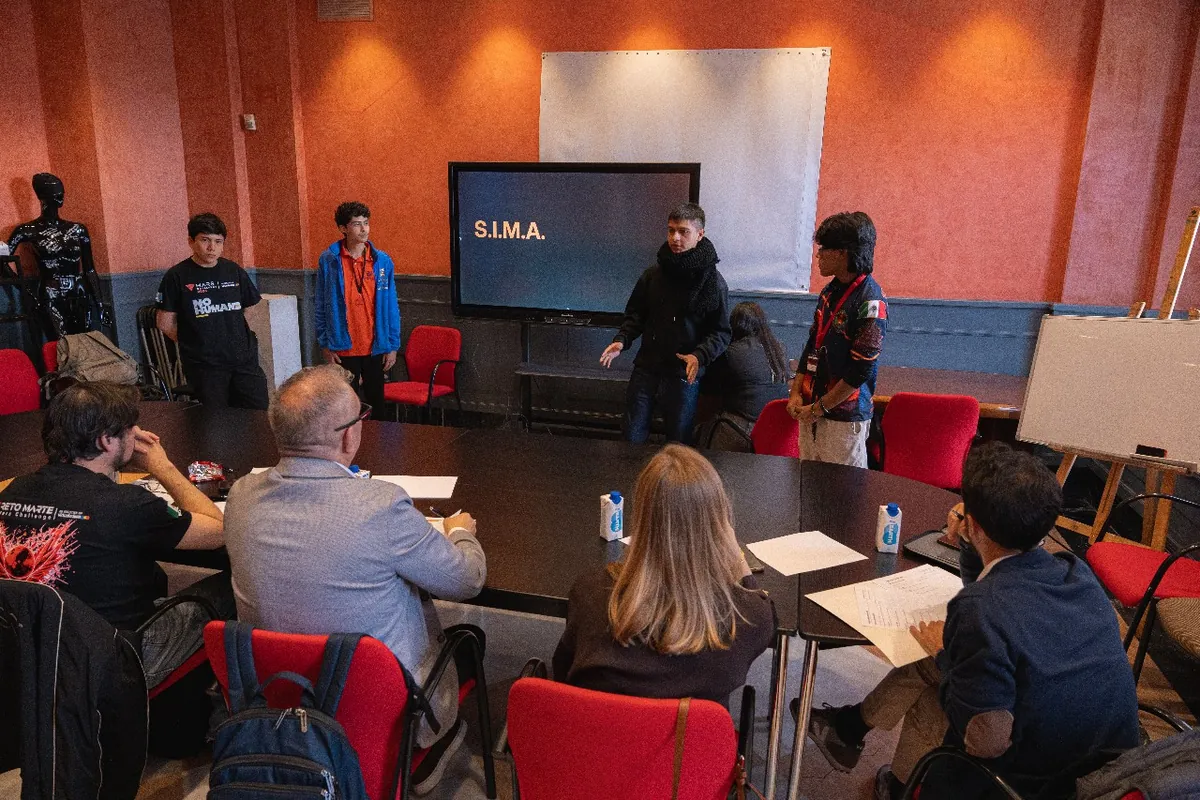
The difference between hearing other ideas and thinking with the people who build them.
The international experience envisages a space for university leaders to compare their institutions’ proposals and explore possibilities for co-creation. Exchanging perspectives does not erase what makes each design distinct. It lets people ask why a model works in its own context and what it reveals about theirs.
The aim is a demanding conversation among peers from different countries and backgrounds. How it takes shape will be defined within the relevant institutional framework.
What makes the experience truly international is not just speaking to an audience: it is allowing one idea to be challenged by another.
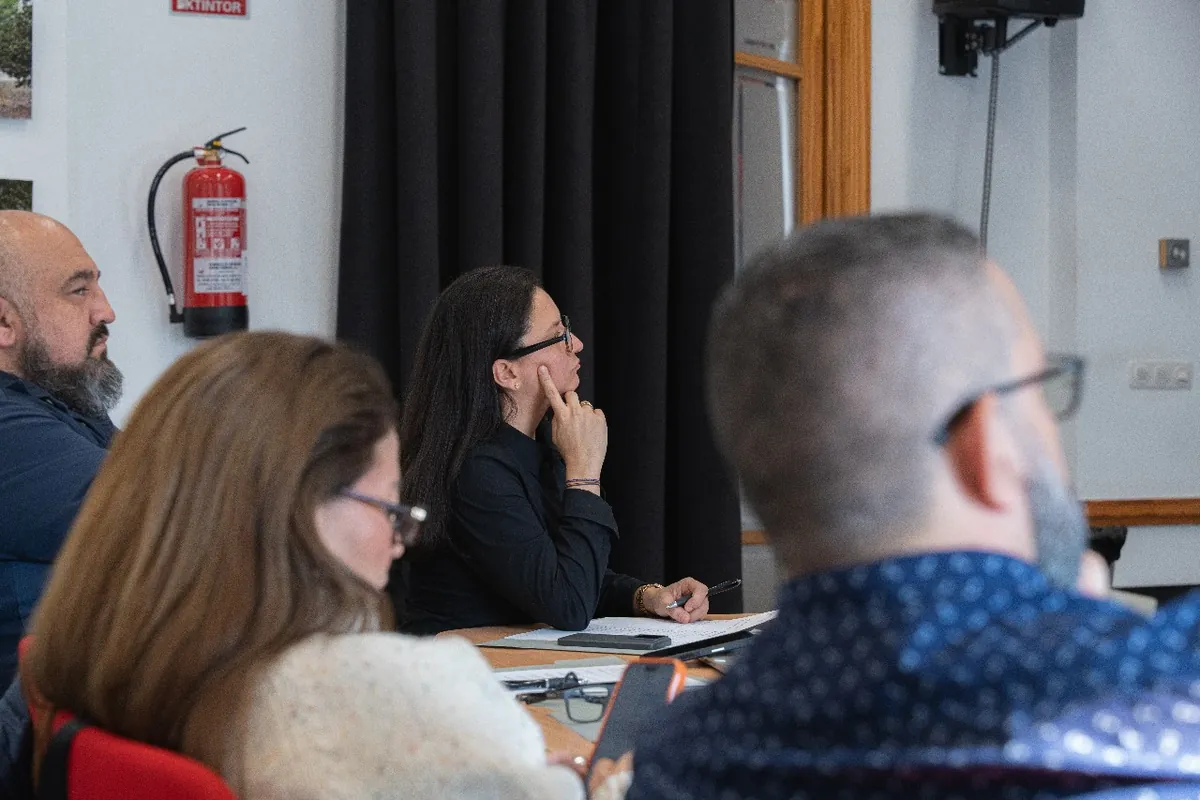
EXPLORE
The experience ends. The question can keep working.
Returning with a proposal that has been defended before peers, and with new questions, can lead to more rigorous institutional reflection: what is worth exploring, which partnerships might make sense, and which hypotheses need a real test.
The decision to try or implement anything rests with each university. Planet Earth Campus™ promises neither measurable transformation, automatic reform nor compulsory implementation. It aims to offer perspectives, arguments and connections that can enrich how universities lead the future of learning.
The point is not to prove who has the best university. It is to show what sort of university each team is prepared to imagine.
What day of learning would your university want to show?
If you lead a university or an academic area, Planet Earth Campus™ offers an opportunity to turn an institutional question into a proposal of your own and bring it into an international conversation.
Is there a single method to follow? No. Each university develops its response from its own context and priorities.
Is a sol one day of working together? No. It is the imagined duration of the learning experience. The international gathering has separate operating arrangements that have not yet been settled.
Does the proposal have to be implemented afterwards? There is no obligation to implement it.
How can we explore access? Through an institutional conversation within Mars Challenge 2027. This website proposal does not include a separate Planet Earth Campus™ commercial registration.
Book an institutional conversationA shared question. Universities willing to answer it differently.